How to Launch a Cannabis Brand in Canada: Licensing, Listing and Sell-Through
How to launch a cannabis brand in Canada: getting a Health Canada licence or partnering with a licensed producer, getting listed with provincial wholesalers like the OCS, marketing rules, and driving sell-through.
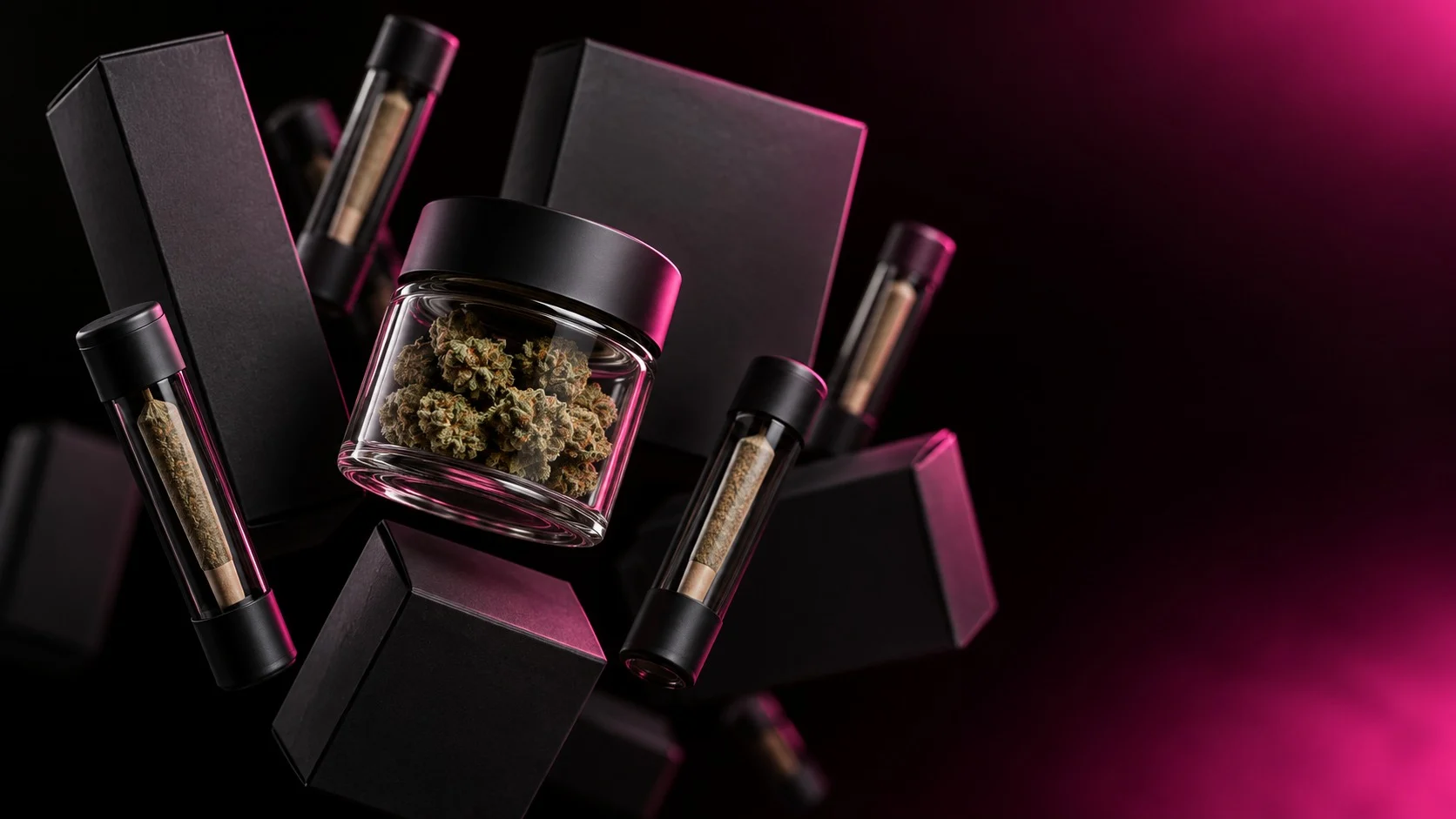
Quick answer: There are two ways to launch a cannabis brand in Canada. You can get your own Health Canada licence (micro or standard, for cultivation and processing) plus a Canada Revenue Agency cannabis licence, or you can partner with an existing licensed producer that makes, packages and sells your products under your brand. Either way, your products reach stores through provincial wholesalers such as the Ontario Cannabis Store (OCS), and your marketing must follow the Cannabis Act's promotion rules.
Do you need a licence to start a cannabis brand in Canada?
You need a licence to grow, process, package or sell cannabis. You do not need one to own a brand, as long as a licensed producer does all of those activities for you. That choice shapes your cost, timeline and control.
| Route | What you need | Best for |
| Own licence | Health Canada licence (cultivation and/or processing), CRA cannabis licence and excise stamps, a compliant facility | Founders who want full control of production and margin |
| Licensed partner | A brand or white-label agreement with a licensed producer that holds the licences | Brand-first founders who want to launch faster with less capital |
What Health Canada licences are there?
Health Canada issues licences through its Cannabis Tracking and Licensing System (CTLS). The main classes for a consumer brand are:
- Micro-cultivation: grow cannabis on a surface area of up to 800 m².
- Standard cultivation: larger-scale growing.
- Micro-processing: make and package cannabis products, possessing up to 2,400 kg of dried cannabis (or equivalent) a year.
- Standard processing: larger-scale processing, packaging and labelling.
Micro limits were raised fourfold in March 2025, which makes the micro route more practical for craft brands. Source: Health Canada summary of the 2025 changes. Anyone who cultivates, produces or packages cannabis also needs a cannabis licence from the Canada Revenue Agency and must use excise stamps.
How do you get a cannabis brand into stores?
In most provinces, licensed producers sell to a provincial wholesaler, not directly to stores. In Ontario, that wholesaler is the OCS, which supplies every private cannabis store in the province.
- Develop products that fill a clear gap: a format, price point or quality tier the shelf is missing.
- Get packaging and labels compliant with the federal Cannabis Regulations, including the health warning and THC labelling.
- Become a supplier to the provincial wholesaler and respond to its product calls.
- Win the listing. A listing makes your product available to order. It does not put it on any shelf.
- Get retailers to order it. Each store decides what to buy from the wholesaler catalogue.
- Drive sell-through. Products that sell get reordered. Products that sit get delisted.
What are the marketing rules for cannabis brands in Canada?
The Cannabis Act limits how cannabis can be promoted. In general, brands can share factual product information and brand-preference promotion in places young people cannot access. They cannot use lifestyle imagery, testimonials or endorsements, or promotions that make cannabis appealing to youth. Provinces add their own rules on top.
In Ontario, the AGCO also bans inducements. A licensed producer may not pay a retailer for shelf space, display, promotion or exclusivity. That means brands cannot buy their way onto a shelf. They have to earn it with demand. Read more in How Cannabis Brands Drive Retail Sell-Through in Ontario.
Why sell-through decides whether a brand survives
Getting listed is the start, not the finish. Retailers have limited shelf space and reorder what moves. A brand that can show real sales in real stores earns reorders, more facings and new stores. A brand with only awareness gets cut.
The problem is that most cannabis marketing ends at awareness. A shopper sees an ad, visits the brand's website, and hits a dead end: a store locator that may not know who has stock today.
How Poof helps new cannabis brands turn marketing into sales
Poof Brand HQ closes that gap. A brand adds one script to its website or campaign landing page. When a shopper clicks Add to Cart, Poof finds the closest licensed retailer with that product in stock and writes the order straight into that retailer's POS. The retailer takes payment, fulfills the order and keeps the customer.
- Every campaign becomes shoppable, with prices and stock pulled live from retailers.
- Orders route by proximity, not price, so retailers are never pushed into discounting your product.
- You see which marketing produced retail sales, which is the proof you need to win reorders and new stores.
- No developer needed. Brand HQ writes the code for every SKU.
Frequently asked questions
Can I start a cannabis brand without a licence in Canada?
Yes, if a licensed producer grows, processes, packages and sells the products for you under a brand or white-label agreement. You need a Health Canada licence only if you do those activities yourself.
What is the difference between micro and standard cannabis licences?
Micro licences cover smaller operations: micro-cultivation allows up to 800 m² of growing area, and micro-processing allows up to 2,400 kg of dried cannabis (or equivalent) a year. Standard licences have no such size limits and carry more requirements.
How do cannabis brands sell to stores in Ontario?
Brands, through a licensed producer, sell to the Ontario Cannabis Store (OCS), which is the sole wholesaler to Ontario's private cannabis stores. Each store then chooses which products to order from the OCS.
Can cannabis brands advertise in Canada?
Only within strict limits. The Cannabis Act allows factual and brand-preference promotion where young people cannot access it, and bans lifestyle advertising, testimonials and youth-appealing promotion.
Can a cannabis brand pay a store to carry its products in Ontario?
No. AGCO rules prohibit licensed producers from giving retailers material inducements, including payments for shelf space, display, promotion or exclusivity.